
Ethnographic Expedition to Patagonia: Mapuche
EXPLORATION: MAPUCHE TERRITORY
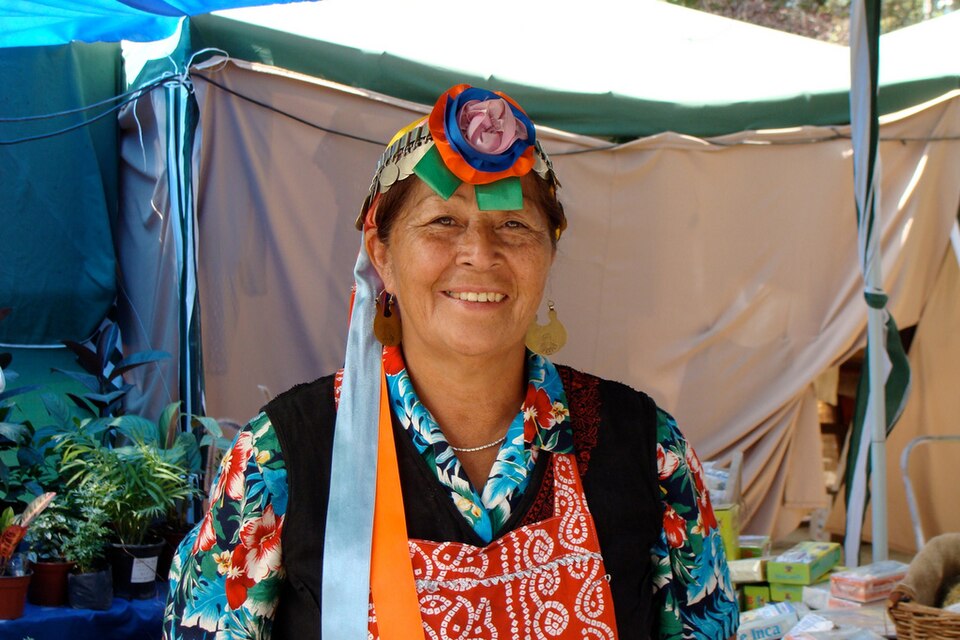
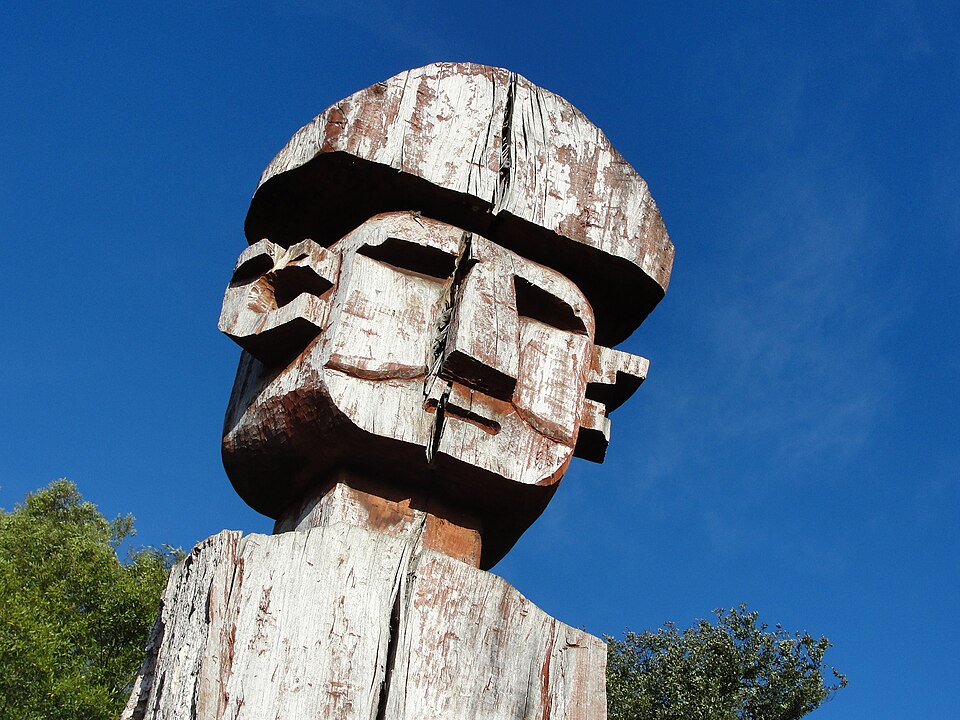
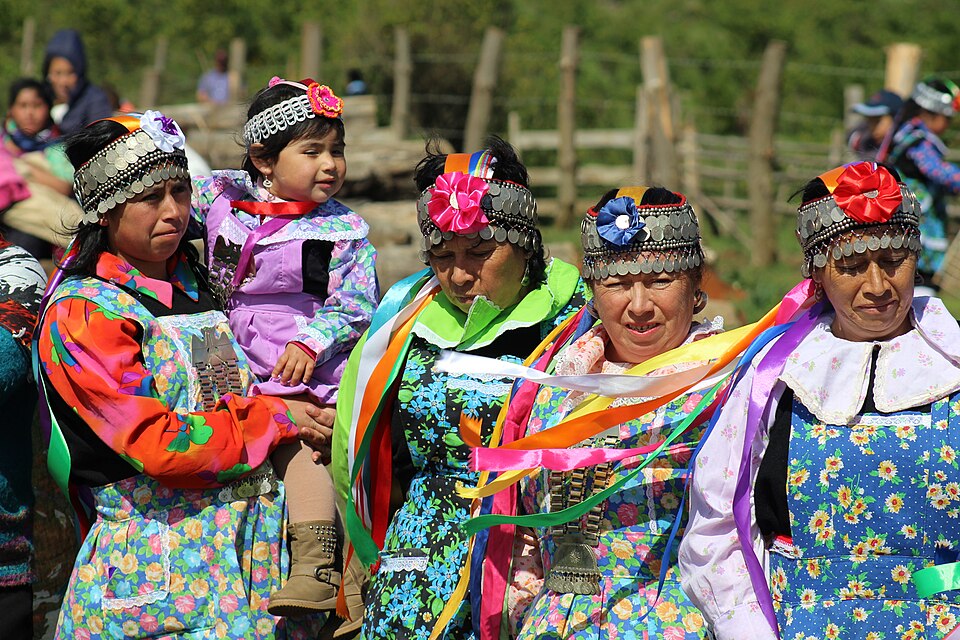
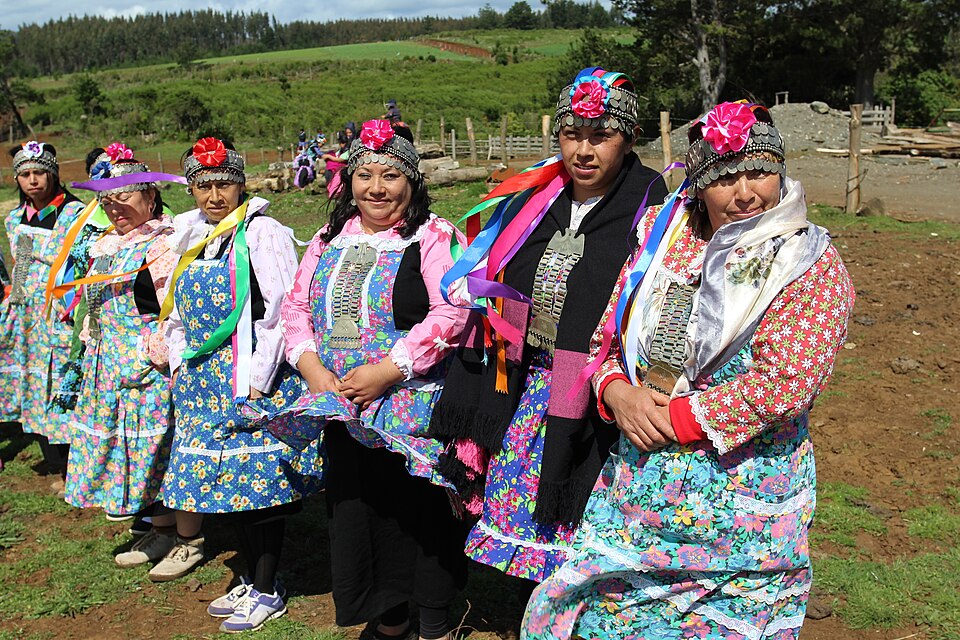
The Mapuche People: Guardians of ancestral traditions. The Mapuche are the largest Indigenous people in Chile, with a history and cultural identity deeply rooted in the lands of south-central Chile. Their traditions include the Mapudungun language, ancestral knowledge, weaving, music and ceremonies that maintain a strong connection with the natural world. Despite centuries of resistance, displacement and social change, Mapuche communities continue to preserve and revitalise their cultural heritage, language and identity.
AN ETHNOGRAPHIC APPROACH TO THE MAPUCHE PEOPLE
- Mapuche People: The Mapuche are the largest Indigenous people in Chile, with communities also living in neighbouring Argentina. Their ancestral territories lie mainly in south-central Chile, particularly in the regions of Araucanía, Biobío and Los Ríos. Their name is commonly translated as “people of the land”, reflecting the deep relationship between their cultural identity, their ancestral territory and the natural world.
-
The Biobío River is one of Chile’s major rivers, flowing from the Andes through south-central Chile to the Pacific Ocean. It has played an important role in the history of the Mapuche people, whose ancestral territories extend across this region. During the Spanish colonial period, the river became a significant frontier between Spanish-controlled territory and the lands defended by the Mapuche, symbolising centuries of resistance and the struggle for territorial autonomy. Today, the Biobío remains an important geographical feature of Chile, linking the country’s Andean landscapes with its Pacific coast.
-
Mocha Island (Isla Mocha) lies off the coast of south-central Chile, in the Pacific Ocean, within the Biobío Region. It has a long history of Indigenous occupation and is associated with the Lafkenche, a Mapuche people whose name means “people of the sea”. The island’s coastal environment, native forests and rich marine life have shaped local traditions and ways of life. Mocha also holds an important place in maritime history and folklore, with stories connecting it to seafarers and the legendary Moby-Dick. Its cultural heritage reflects the enduring relationship between Indigenous communities and the Pacific coast of Chile.
-
The Araucanía Region, in south-central Chile, is one of the most important ancestral territories of the Mapuche people, Chile’s largest Indigenous population. Its landscapes of forests, rivers, lakes and volcanoes are deeply connected to Mapuche history, spirituality and traditional ways of life. For centuries, the Mapuche resisted Spanish colonial rule, maintaining a significant degree of territorial autonomy south of the Biobío River. During the nineteenth century, the Chilean state’s occupation of Araucanía led to the loss of ancestral lands and profound changes for Mapuche communities. Today, the region remains a vital centre of Mapuche cultural identity, where the Mapudungun language, traditional ceremonies, weaving and ancestral knowledge continue to be preserved and revitalised.
2027 – One Special Departure Only!
5 -14 February 2027
Price per person (based on a group of 8):
Itinerary
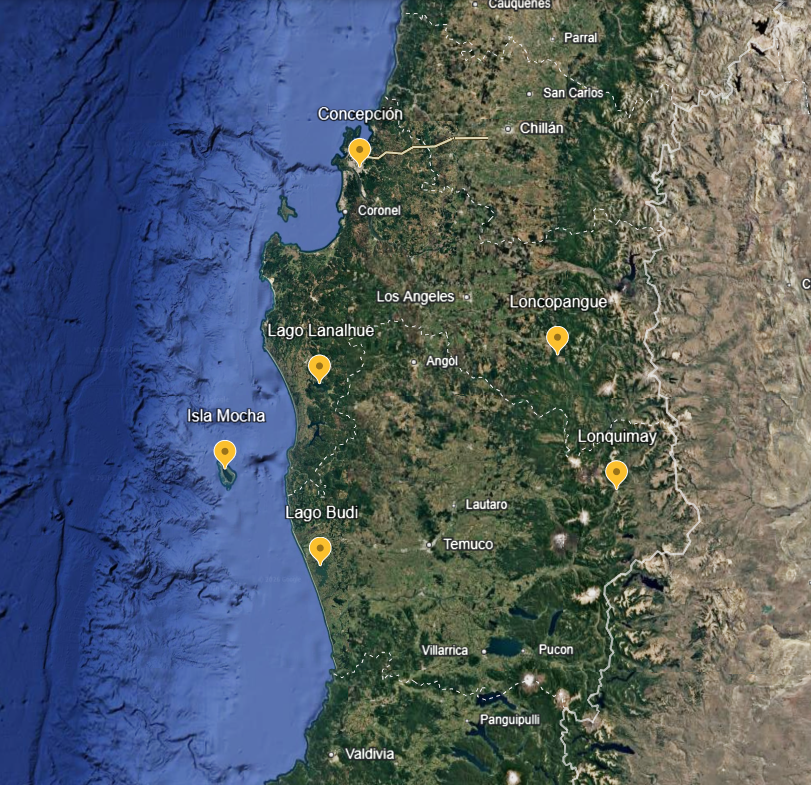
- Day 1: Santiago- Concepción. Departure by plane from Santiago, the capital of Chile, to the city of Concepción—a historic place that served as the frontier between Spanish imperial rule and the Mapuche people, situated south of the great Biobío River
- Day 2: Concepción- Loncopangue. The beginning of our journey to approach Mapuche culture by following the Bío Bío River, gradually venturing into the Andes
- Day 3: Loncopangue- Lonquimay. From Loncopangue to Lonquimay, the journey follows the ancient trails of the Mapuche-Pewenche people (the people of the araucaria tree). Linked by the waters of the Bío Bío River, these territories showcase the traditional practice of seasonal transhumance and a profound spiritual connection to the high Andes and their sacred forests
- Day 4: Lonquimay- Lago Budi. A journey through Mapuche territory, from the Cordillera to the ocean, crossing forests, mountains and rivers. We will reach the lake Budi, a unique saltwater lake where the Mapuche-Lafkenche culture remains deeply alive. This experience offers a rare opportunity to connect with local indigenous communities, taste ancestral gastronomy, and learn about their worldview directly from their descendants
- Day 5: Lago Budi- Lago Lanalhue. The relationship between Lake Budi (Araucanía Region) and Lake Lanalhue (Bío Bío Region) within Mapuche culture is profound, as both lakes serve as the two great territorial pillars of the Lafkenche identity (the people of the sea or people of the water). Although they are geographically separated by about 170 kilometers, they share the same cultural, historical, and spiritual vision
- Day 6: Lago Lanalhue- Concepción. Return through the northern part of the territory toward the cultural frontier city of Concepción
- Day 7: Concepción- Isla Mocha. Isla Mocha is one of the most sacred and mystical places within the worldview and history of the Mapuche people, especially for the Lafkenche identity (the people of the sea).
- Day 8: Isla Mocha is considered, in its entirety, a natural and spiritual sanctuary for the Mapuche culture. Within their worldview, it is conceived not so much as a list of built 'monuments' or temples, but as a sacred geographical space where nature and the spiritual world unite
- Day 9: Isla Mocha- Concepción. Return flight from the island to the city of Concepción. Day of operational margin due to inclement weather or a change in operational logistics
- Day 10: Concepción- Santiago. Departure on a return flight to Santiago and connection with your return flight home
Included
- Social scientist and expedition leader.
- Ethnographic Information Dossier.
- Diploma "Seminar on Indigenous Cultures of Patagonia" (in-person attendance required) issued by the Ethnographic Society.
- All special access permits.
- Vehicles required during the tour.
- Local hotels and cabins accommodation.
- Emergency satellite communications.
Not Included
- International flights to meeting point.
- Insurance (strict requirement).
- Personal gear and clothing.
- Expenses derived from premature abandonment.
- Visas, if required and airport taxes.
- Personal expenses and tips.
- Extra activities.
- Any other services not specified in the journey.
Due to last-minute changes by airlines, the itinerary may be subject to modifications.
*Prices may be subject to unforeseen changes due to fluctuations in exchange rates, transport fares, fuel, taxes or duties.
Please, if you are a different number of people than the one budgeted, ask us, we would inform you about your specific pricing, as well as, any extra charges for any other cities departures, if needed.